
Tracing the Patterns of Prophets, Spirit, and Earth’s Eternal Language
Across the endless strata of human history — like layers of ancient sandstone telling the story of wind, water, and time — the divine has revealed itself again and again. In each epoch, in every age, a new Face of God emerged: a perfect reflection, suited for the time and place, guiding humanity’s spiritual evolution just as rivers carve canyons and tectonic forces raise mountains.
Just as a geologist reads the hidden language of rocks and rivers, so too can we trace the universal patterns of divine revelation — patterns that whisper of an unbroken, living Presence moving through time.
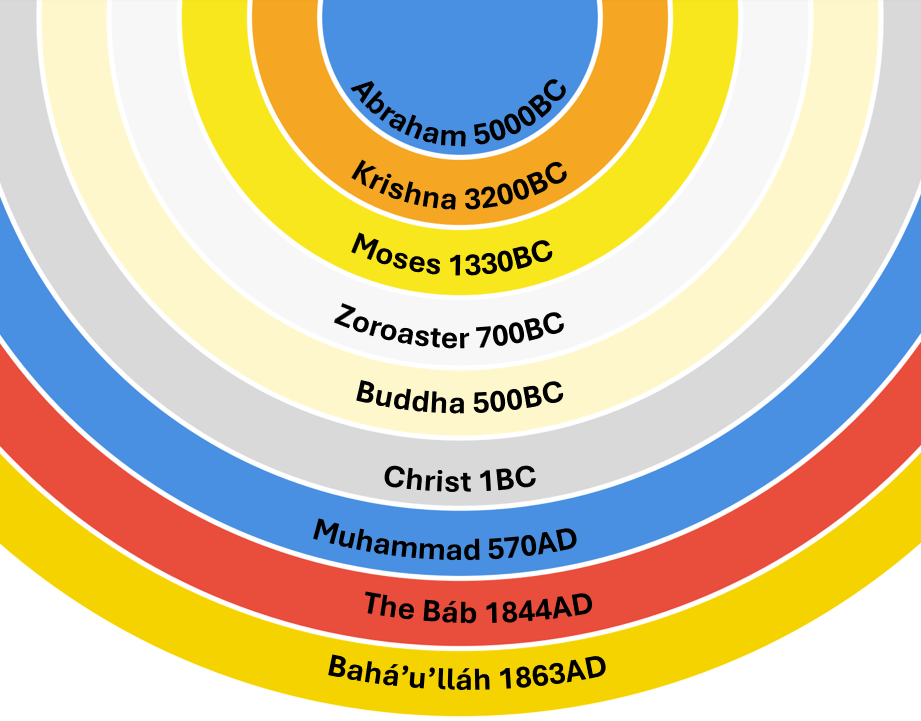
“The divine religions embody one truth. They are successive stages in the spiritual evolution of human society.”
—‘Abdu’l-Bahá, The Promulgation of Universal Peace
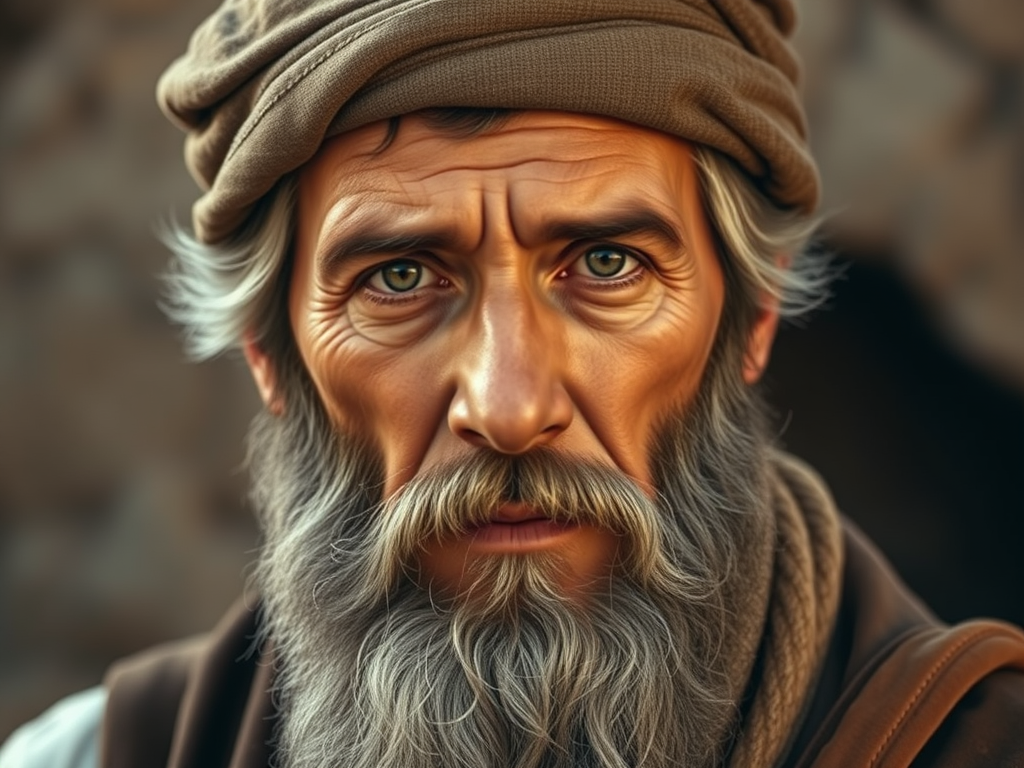
Abraham (~5000 BC)
Abraham stands like an ancient mountain peak on the horizon of faith, weathered but enduring. His covenant with one unseen God birthed the great monotheistic traditions — Judaism, Christianity, and Islam — much like a single spring can give rise to mighty rivers that nourish distant lands.
“Abraham… founded the foundation of reality. He laid the basis of a new civilization.”
—‘Abdu’l-Bahá, Some Answered Questions
His faith planted the seed that would grow into the towering forests of religious thought for millennia, showing that spiritual truth endures even as the sands of time shift around it.
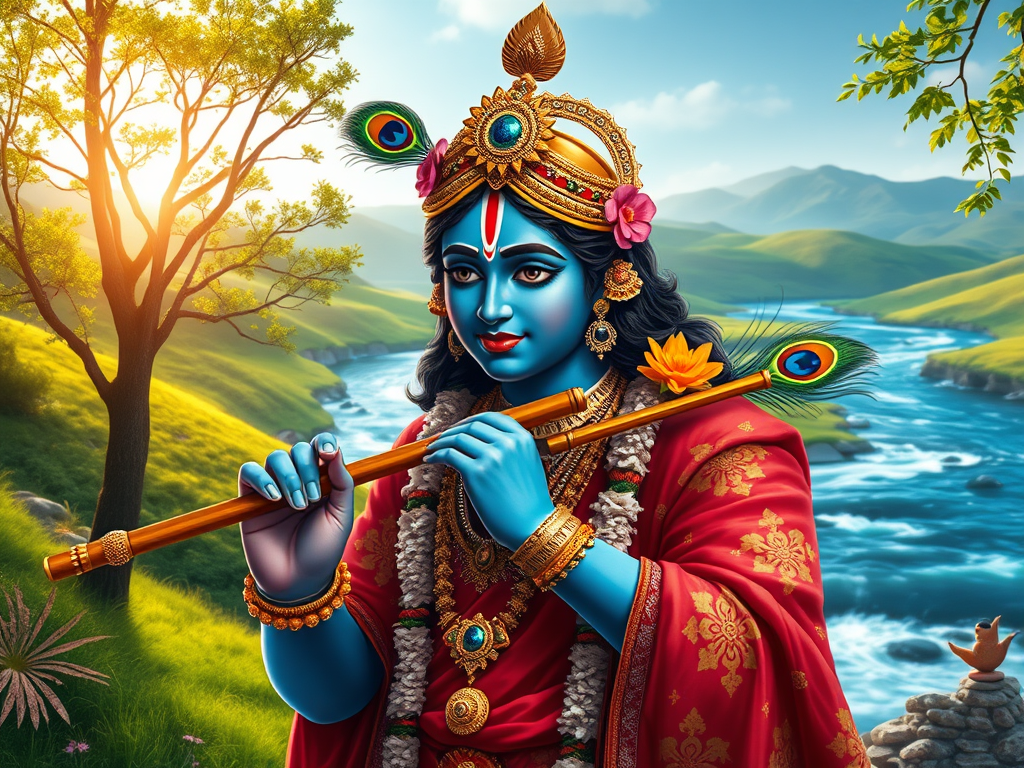
Krishna (~3200 BC)
After Abraham’s time and further East, the joyous, mysterious figure of Krishna danced into human consciousness. In the luminous pages of the Bhagavad Gita, he speaks of duty, devotion, and transcendent love. His life is a river, winding and divine, reminding us that righteousness is not a heavy yoke but a flowing current we are invited to join.
“The holy Manifestations have been the sources of the virtues and perfections of the world of humanity… They are the focal centers of the heavenly forces.”
—‘Abdu’l-Bahá, Some Answered Questions

Moses (~1300 BC)
On the craggy slopes of Sinai, amid thunder and flame, Moses brought down sacred laws — a crystallization of divine will, like minerals forming in the heart of the earth. His leadership shaped not only a nation but carved canyons into the human soul, channels through which justice and mercy could flow.
“Moses was the founder of a new civilization, the organizer of a new law, the source of a new effulgence.”
—‘Abdu’l-Bahá, Paris Talks
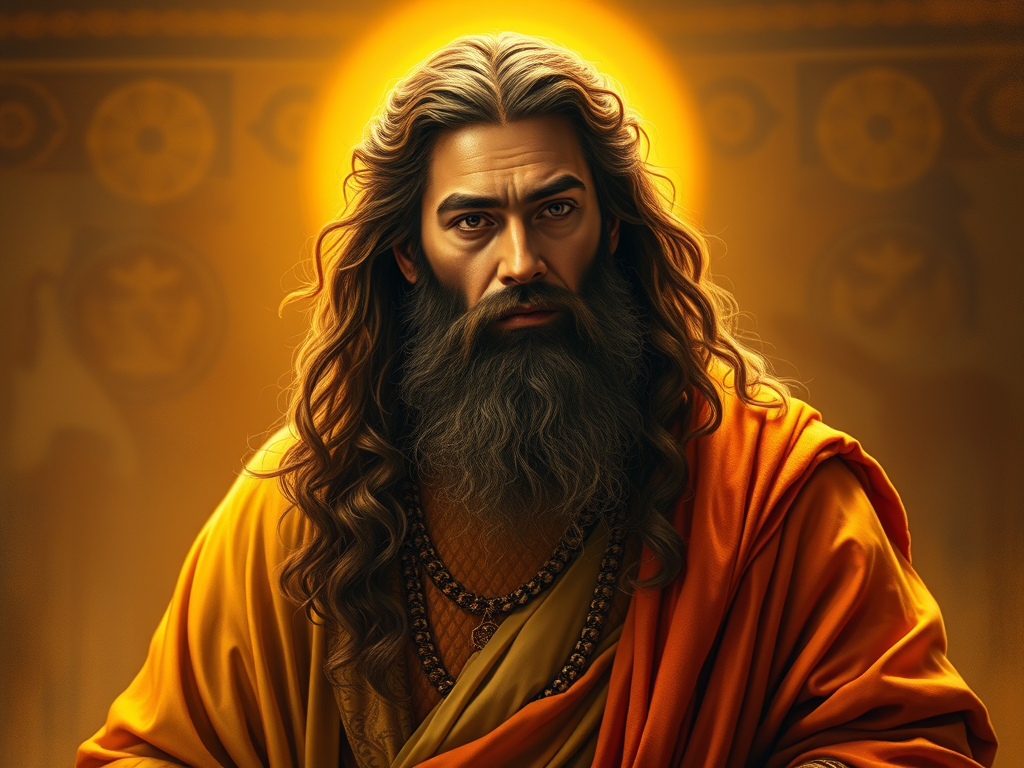
Zoroaster (~700 BC)
In the arid lands of Persia, Zoroaster lit a flame that still burns. His revelation of the cosmic battle between light and darkness, good and evil, echoes the dualities woven into the fabric of nature — night and day, winter and spring.
“Zoroaster… taught the oneness of God and the purity of life.”
—‘Abdu’l-Bahá, Paris Talks
Buddha (~500 BC)
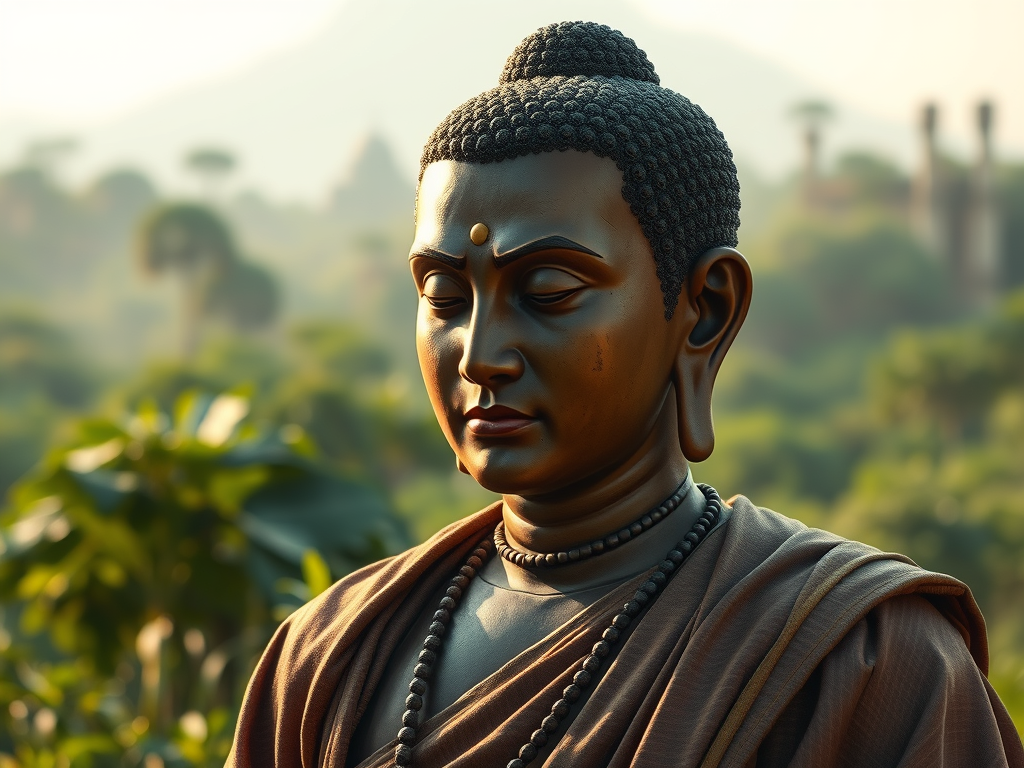
Under the sheltering branches of the Bodhi Tree, Siddhartha Gautama — the Buddha — became awakened. His Four Noble Truths are like compass points in a bewildering wilderness, guiding lost souls toward the sunrise of enlightenment.
“Buddha also established a new religion and was the cause of the illumination of a nation.”
—‘Abdu’l-Bahá, Some Answered Questions
Christ (~1 BC)
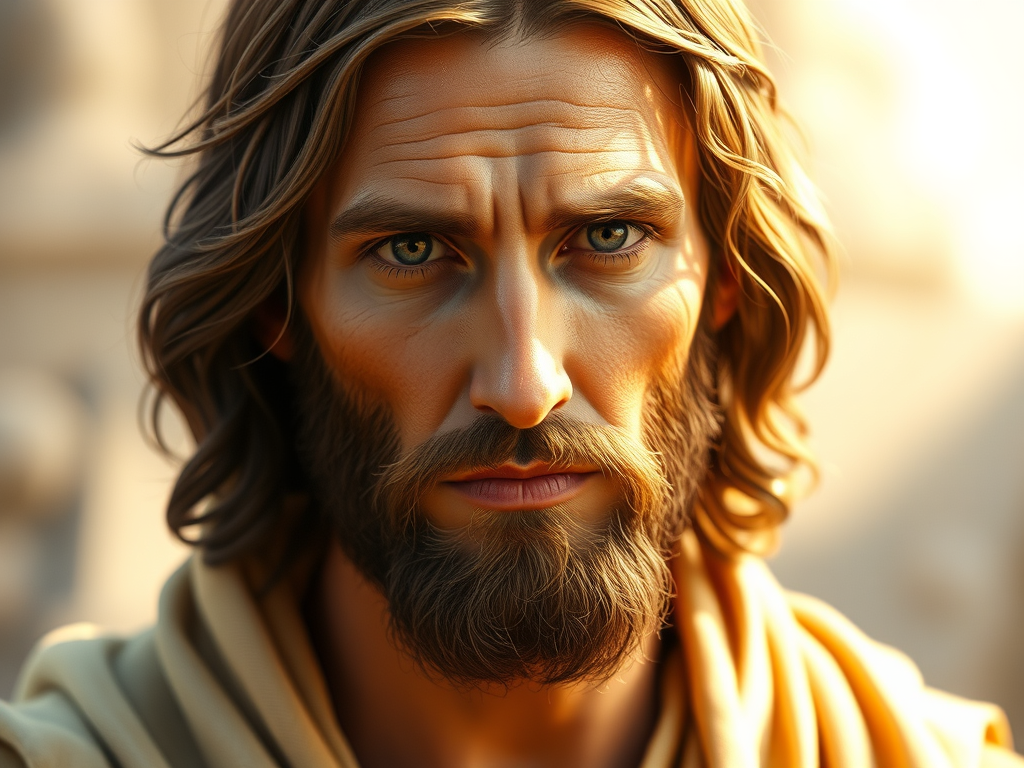
Then, into the shifting sands of Roman-occupied Judea, came Jesus Christ — love incarnate, a living wellspring in a thirsty land. His message shattered old stones of cruelty and offered instead a new bedrock: mercy, forgiveness, and selfless love.
“The Sun of Reality shone forth from the phenomenal horizon of Christ… illuminating the realm of minds and hearts.”
—‘Abdu’l-Bahá, The Promulgation of Universal Peace

Muhammad (~570 AD)
In the Arabian desert, Muhammad’s voice rose like thunder over dunes, carrying the final, resonant call to submit to the will of God. The Quran, revealed through him, is a map across the endless sea of life, guiding seekers with stars of prayer, charity, and justice.
“Muhammad appeared… His teachings were those of the unity of God, the establishment of brotherhood among mankind, the development of virtues…”
—‘Abdu’l-Bahá, The Promulgation of Universal Peace
The Báb (1844 AD)
The Báb, like the herald wind before a great storm, announced the dawn of a new era. His teachings cracked open the crust of old ways, preparing the ground for a greater revelation.
“The Báb was the one who prepared the way for the coming of Bahá’u’lláh, the Promised One of all religions.”
—‘Abdu’l-Bahá, Paris Talks
Bahá’u’lláh (1863 AD)
And then, from the gardens of Baghdad to the shores of Acre, Bahá’u’lláh declared a vision as vast as the continents themselves: the oneness of humanity, the unity of all faiths, the promise of global peace.
“The purpose underlying the revelation of every heavenly Book… hath been to endue all men with righteousness and understanding, so that peace and tranquility may be firmly established amongst them.”
—Bahá’u’lláh, Gleanings from the Writings of Bahá’u’lláh
A Pattern Etched Across Time
When I study the strata of the earth — folding, faulting, rising and falling — I see the same fingerprint left by the Divine in the spiritual history of humanity. Revelation, like the seasons, comes in cycles. Each Manifestation of God brings fresh rain to a thirsty world, shaping civilizations, cultures, and hearts the way rivers shape canyons and glaciers shape valleys.
“Contemplate the past events of history and reflect upon their results… Thus may ye discover the truth of the statements made by Bahá’u’lláh.”
—‘Abdu’l-Bahá, The Promulgation of Universal Peace
Science and faith, geology and spirit — they are not opposed forces but harmonies of the same eternal song.
We are the beneficiaries of a ceaseless, merciful unfolding — a revelation not once but always, not in one place but everywhere.
The rocks cry out.
The mountains testify.
The winds carry the word.
All creation echoes the call: there is more beyond what we see.
And if we learn to read the signs — both in stone and in spirit — we will find the Divine, forever manifest, forever near.


 the musing geologist